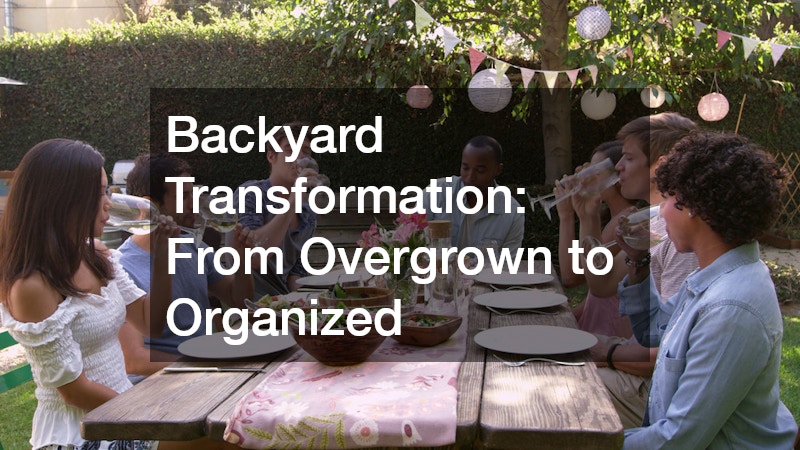
The transition from a chaotic, overgrown backyard to a structured, serene oasis is one of the most rewarding home improvement journeys you can undertake. An unmanaged yard isn’t just an eyesore; it is a missed opportunity for relaxation and social connection. By breaking the process down into manageable phases, you can turn a wild lot into a highly functional extension of your home.
Clearing the Path to a New Landscape

The first step in any transformation is removing the physical and visual clutter that obscures your yard’s potential. For the larger, more hazardous tasks, you should look into professional tree trimming to ensure your canopy is safe and aesthetically pleasing. Removing dead limbs or thinning out dense branches allows more sunlight to reach your new garden beds, encouraging growth and reducing the risk of property damage during storms. Sunlight is the lifeblood of a healthy lawn, and a professional can ensure your trees are pruned to promote health rather than just removing bulk.
Once the vegetation is managed, you are often left with a pile of debris, old patio furniture, or rusted equipment that has sat for years. This is the perfect time to schedule a junk removal service to clear the slate entirely. Getting rid of the bulk waste in one fell swoop provides the blank canvas necessary to visualize where your new paths, seating areas, and flower beds will go. It also prevents the common mistake of moving old trash from one corner of the yard to another.
- Assess the health of large oaks and maples before cutting.
- Identify invasive vines like English Ivy or Kudzu that choke out native plants.
- Clear out non-organic waste such as broken plastic pots and scrap metal.
- Check for local regulations regarding the disposal of yard waste and large debris.
Fortifying the Perimeter and Ensuring Privacy
A sense of enclosure is vital for making a backyard feel like a private room rather than a public space. Without defined boundaries, even the most beautiful garden can feel exposed to the neighborhood. Establishing these borders is a foundational project that sets the stage for everything else.
Installing high-quality residential fencing serves multiple purposes: it keeps pets and children safe, provides a windbreak for delicate plants, and offers the visual privacy needed to truly relax. Whether you choose classic wood pickets or modern horizontal slats, a solid perimeter defines the geometry of your entire outdoor design. A fence also acts as a backdrop for your landscaping, making the colors of your shrubs stand out against a neutral background.
While focusing on the yard, do not forget how the transition points of your home impact the outdoor experience. If your backyard faces the rear of your home, ensuring your window replacement project is up to date can improve the view from the inside looking out. New, energy-efficient windows with slim profiles can act as living frames for the landscape you are working so hard to create. Seeing your progress from the kitchen or living room provides a sense of accomplishment every time you look outside.
- Verify property lines with a professional survey before digging post holes.
- Choose materials that match the architectural style of your house.
- Consider the maintenance requirements of wood versus vinyl or composite materials.
- Ensure that any new windows offer high UV protection to prevent your indoor furniture from fading.
Optimizing Drainage and Water Management

A beautiful backyard can quickly become a swampy mess if water is not directed away from the foundation and off the lawn. Proper grading and drainage are the essential parts of care and maintenance that protect your investment. Without a plan for runoff, your new flower beds could be washed away during the first spring thunderstorm.
Neglected water systems can lead to erosion that ruins your new landscaping. Hiring a reputable gutter company to inspect and clear your home’s drainage system ensures that heavy rainfall is channeled into downspouts rather than spilling over and washing away your mulch and topsoil. Properly functioning gutters prevent the formation of “splash zones” that can carve trenches into your lawn.
Similarly, consider the vertical surfaces of your home that face the garden. A local painting contractor can apply weather-resistant coatings to your siding or trim, preventing moisture from seeping into the structure. This not only protects the wood but also provides a crisp, clean backdrop that makes the green hues of your plants pop. A fresh coat of paint can make an old shed or a back porch look brand new, tying the entire yard together.
- Direct downspouts at least five feet away from the foundation.
- Install a French drain in areas where water naturally pools.
- Inspect your home’s exterior for peeling paint or exposed wood every spring.
- Use high-quality outdoor paint that resists mildew and sun damage.
Refreshing Transitional Structures and Storage
The backyard often shares a border with the garage or a storage shed. If these structures are falling apart, they drag down the entire vibe of the yard. Integrating these functional areas into your design plan ensures the organized part of your transformation is actually achieved.
Functional access is key to a smooth workflow when gardening or entertaining. If your garage opens to the back, performing necessary garage door repairs ensures you have easy access to your lawnmower and tools without struggling with a jammed or noisy door. A smooth-running door makes the transition between indoor storage and outdoor work seamless. It also improves the security of your home by ensuring the door closes tightly every time.
Inside those storage spaces, organization is paramount to keeping the yard tidy. While usually reserved for kitchens, installing rugged custom cabinets in a garage or garden shed can provide dedicated spots for seeds, fertilizers, and hand tools. Having a specific home for every item prevents the backyard from slipping back into a state of cluttered chaos. Vertical storage solutions like these free up floor space for larger equipment like tillers or pressure washers.
- Lubricate garage door tracks and hinges twice a year to prevent wear.
- Label your storage bins so you never buy duplicate supplies.
- Mount a pegboard for frequently used hand tools like trowels and shears.
- Keep hazardous chemicals like pesticides in locked cabinets away from pets.
Upgrading Surfaces for Durability and Style

The ground beneath your feet dictates how you move through the space. Cracking concrete or muddy paths are not only unsightly but can also be safety hazards. Upgrading your hardscaping is a major milestone that adds significant value to your property.
For those with large driveways or side paths leading to the backyard, an asphalt paving service can provide a smooth, durable surface for vehicles and foot traffic alike. A freshly paved path creates a clear sense of direction and prevents the tracking of mud and gravel into your house. This is especially important for high-traffic areas where grass simply will not grow due to constant use.
If your organized backyard includes a workshop or a converted garage space, the floor needs to be just as tough as the exterior. Consulting an epoxy garage flooring contractor allows you to create a spill-resistant, easy-to-clean surface that can handle everything from potting plants to heavy-duty projects. This high-gloss finish reflects light and makes the entire workspace feel professional and intentional. It also resists oil stains, which is vital if you use the space for power tool maintenance.
- Seal your asphalt every two to three years to extend its lifespan.
- Choose a floor coating color that hides dust and footprints.
- Ensure all walkways have a slight slope to prevent standing water.
- Use pavers or gravel for secondary paths to add texture to the landscape.
Advanced Landscaping and Plant Selection
Once the structural elements are in place, you can focus on the living components of your yard. Choosing the right plants is about more than just color; it is about finding species that thrive in your specific climate and soil type. This is where the artistry of your backyard transformation truly shines.
Start with “anchor plants,” which are usually larger shrubs or small trees that provide structure throughout the year. Evergreens are excellent choices because they maintain their color even in the dead of winter. Around these anchors, you can layer perennial flowers that return every year, reducing the amount of planting you have to do each spring.
- Group plants with similar water needs together to save time.
- Use native plants to attract local pollinators like bees and butterflies.
- Add a layer of organic mulch to retain moisture and suppress weeds.
- Consider a drip irrigation system for consistent watering without waste.
The Importance of Tool Maintenance
You cannot maintain an organized backyard with broken or dull tools. Part of your routine should include a dedicated “tool day” once a season. This ensures that when you have a spare hour on a Saturday, you can get straight to work rather than fighting with a rusty shovel.
Clean your tools after every use to prevent the spread of soil-borne diseases between plants. Sharpening the blades of your mowers and pruners will result in cleaner cuts, which are healthier for your plants and require less physical effort from you. Store everything in your newly organized cabinets to protect them from the elements.
- Wipe down metal tool heads with a light coat of oil to prevent rust.
- Sand wooden handles to prevent splinters and rub them with linseed oil.
- Drain the fuel from gas-powered tools before winter storage.
- Keep a small “go-bag” of essential gardening tools for quick weeding sessions.
Lighting for Safety and Ambiance

As your transformation nears completion, consider how the space looks after the sun goes down. Lighting is often an afterthought, but it is the element that extends the usability of your yard into the late evening hours.
Soft, warm lights can highlight the textures of your residential fencing or the silhouette of a perfectly trimmed tree. Motion-sensor lights near the garage or back door provide safety and security, while string lights over a patio create a festive, welcoming atmosphere for guests. Lighting also helps define the boundaries of your zones after dark.
- Use LED bulbs to save energy and reduce the frequency of bulb changes.
- Position lights to avoid “light pollution” in your neighbors’ windows.
- Consider smart plugs that allow you to control outdoor lights from your phone.
- Highlight unique architectural features of your home with upward-facing spotlights.
Sustainable Practices for a Healthier Yard
A truly modern backyard transformation incorporates sustainability. This not only helps the environment but also often reduces the amount of work required for long-term care. Using rain barrels to collect water from your gutter system is a great way to provide free, chlorine-free water for your garden.
Composting is another fantastic way to reduce waste while improving your soil quality. By recycling kitchen scraps and yard trimmings, you create a nutrient-rich additive that makes your plants more resilient to pests and drought. This circular approach to yard maintenance ensures that nothing goes to waste and your soil stays healthy without the need for heavy chemical fertilizers.
- Start a compost pile in a discreet corner of the yard.
- Use permeable materials for paths to allow water to soak into the ground.
- Reduce the size of your lawn to save on water and mowing time.
- Plant a “pollinator garden” with wildflowers to support local ecosystems.
Reclaiming your outdoor space is a journey that pays dividends in both property value and personal well-being. From the initial clearing of debris to the final touches of lighting and décor, every step you take brings you closer to a backyard that serves your needs. Whether you are hosting a summer barbecue or enjoying a quiet morning coffee, the effort you put into organizing your landscape will be felt every time you step out the back door. By combining your own hard work with the expertise of professionals for specialized tasks, you ensure that your transformation is both beautiful and built to last. Stay consistent with your care, keep your tools sharp, and enjoy the peace that comes with a perfectly organized sanctuary.