Key Takeaways
- Beginners can improve their homes affordably by starting with small DIY projects such as painting, updating hardware, and improving storage.
- Creating a realistic budget and completing one project at a time helps reduce stress and prevent overspending.
- Simple upgrades like better lighting, peel-and-stick products, and refreshed decor can make homes feel cleaner and more modern.
- Learning to use basic tools safely builds confidence and expands the types of projects homeowners can complete themselves.
- Regular home maintenance and early problem detection can help prevent costly repairs in the future.
- Budget-friendly improvements to kitchens, bathrooms, and outdoor spaces can significantly improve comfort and functionality.
- DIY home improvement is a gradual learning process that rewards patience, creativity, and consistent effort over time.
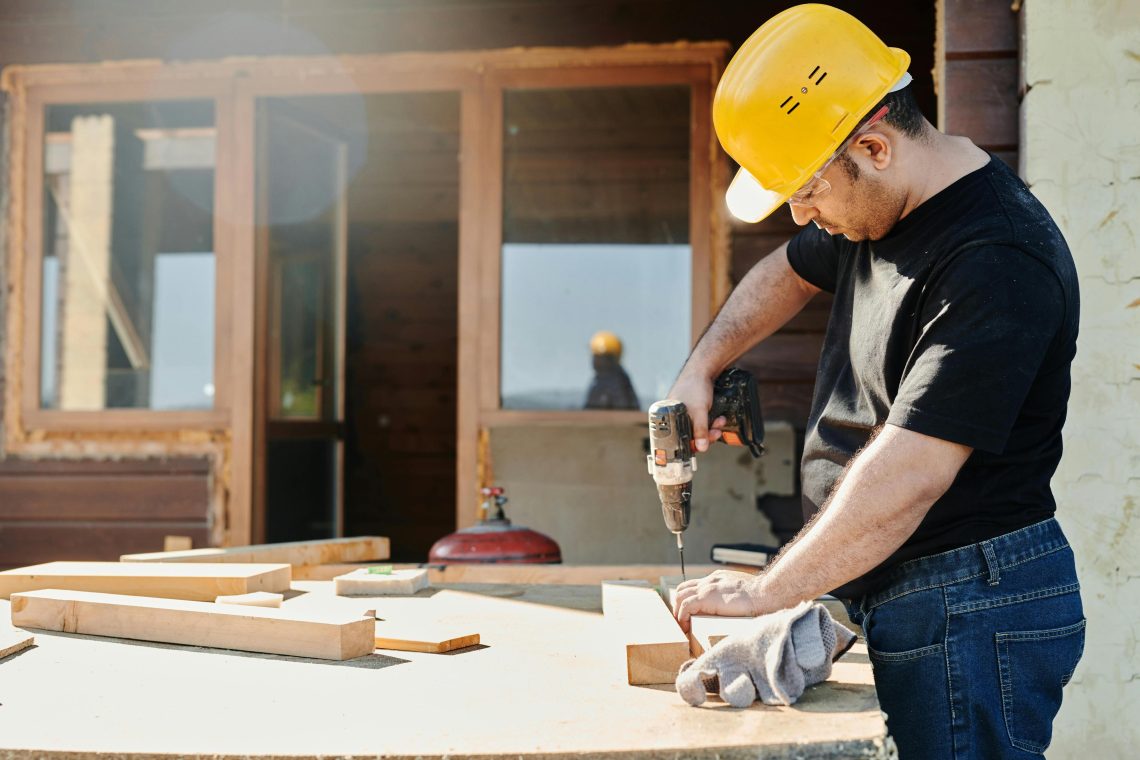
Home improvement projects can make a house feel more comfortable, functional, and valuable. However, many people believe home upgrades always require large budgets, professional contractors, or advanced skills. The truth is that many beginner-friendly DIY projects can improve a home significantly without spending a fortune.
DIY home improvement allows homeowners to personalize their spaces while saving money on labor costs. Even small changes can make rooms feel cleaner, brighter, more modern, and more organized.
For beginners, the idea of DIY projects may feel intimidating at first. The good news is that you do not need to be an expert builder or designer to start improving your home. Many projects require only basic tools, simple materials, and a little patience.
This guide covers practical DIY home improvement tips for beginners who want to upgrade their homes on a budget while building confidence and useful skills along the way.
Start With Small and Simple Projects
One of the biggest mistakes beginners make is starting with projects that are too difficult.
Complex renovations can quickly become stressful and expensive.
Instead, begin with smaller improvements such as:
- Painting walls
- Replacing cabinet hardware
- Installing shelves
- Organizing storage
- Updating light fixtures
Small projects help build confidence and teach basic DIY skills without overwhelming beginners.
Each completed project also makes future improvements feel more manageable.
Create a Realistic Budget
Before starting any project, decide how much you can comfortably spend.
A budget helps prevent:
- Overspending
- Unfinished projects
- Financial stress
- Impulse purchases
Budgeting Tips for DIY Beginners
- Prioritize one project at a time
- Compare material prices
- Reuse existing items when possible
- Leave room for unexpected expenses
- Buy only necessary tools
Planning ahead often saves both money and frustration.
Paint for an Affordable Transformation
Painting is one of the easiest and most affordable DIY improvements.
A fresh coat of paint can completely change the appearance of:
- Walls
- Cabinets
- Furniture
- Doors
- Shelves
Beginner-Friendly Painting Tips
- Use painter’s tape carefully
- Clean surfaces before painting
- Apply primer if needed
- Use quality brushes and rollers
- Test paint colors first
Neutral colors are popular because they make rooms feel larger, brighter, and more modern.
Painting is also a good beginner project because mistakes are usually easy to fix.
Upgrade Cabinet Hardware
Replacing old cabinet handles and drawer pulls is a simple project that can make kitchens and bathrooms look newer.
Popular finishes include:
- Matte black
- Brushed nickel
- Brass
- Bronze
Hardware upgrades are inexpensive but create a noticeable visual impact.
This project usually requires:
- A screwdriver
- Measuring tape
- Patience for alignment
Even beginners can complete this upgrade in a short amount of time.
Improve Lighting Throughout the Home
Lighting greatly affects how a home looks and feels.
Dark or outdated lighting can make spaces feel smaller and less welcoming.
Affordable Lighting Improvements
- Replace old fixtures
- Add floor lamps
- Install LED bulbs
- Use warm lighting tones
- Add under-cabinet lighting
Good lighting improves:
- Comfort
- Visibility
- Mood
- Energy efficiency
Many lighting upgrades are simple enough for beginners, although complex electrical work should be handled carefully or professionally if needed.
Use Peel-and-Stick Products
Peel-and-stick materials are popular among DIY beginners because they are affordable and easy to install.
Common options include:
- Wallpaper
- Floor tiles
- Backsplashes
- Contact paper
These products can refresh spaces without permanent renovations.
They are especially useful for:
- Renters
- Temporary updates
- Budget-friendly remodels
Modern peel-and-stick products often look surprisingly realistic.
Learn Basic Tool Skills
Every DIY beginner should become familiar with a few basic tools.
Useful Beginner DIY Tools
- Hammer
- Screwdriver set
- Tape measure
- Utility knife
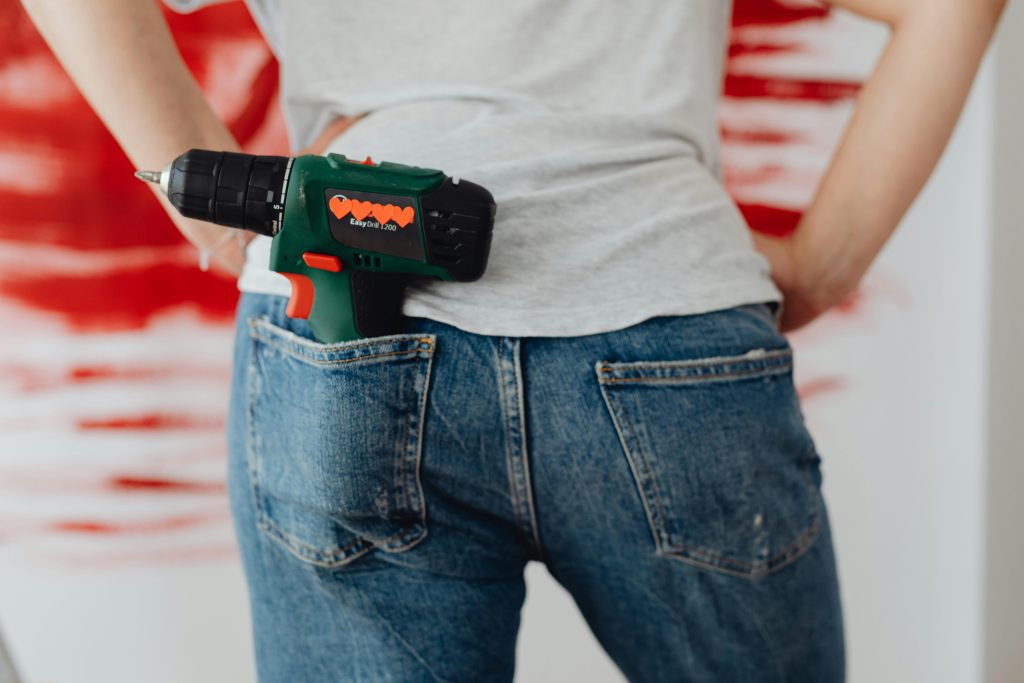
- Drill
- Level
- Pliers
Learning how to safely use simple tools builds confidence and expands the number of projects you can complete yourself.
Start slowly and practice on smaller tasks first.
Improve Storage and Organization
Better organization can make homes feel cleaner and more functional without major renovations.
Affordable Storage Ideas
- Floating shelves
- Storage bins
- Hooks
- Under-bed storage
- Wall organizers
- Closet systems
Improved storage also helps reduce clutter and make rooms feel larger.
Many storage projects are beginner-friendly and require only simple installation steps.
Refinish Old Furniture
Buying brand-new furniture can be expensive.
Instead of replacing older pieces, consider refinishing or repainting them.
Beginner Furniture Projects
- Sanding tables
- Painting dressers
- Reupholstering chairs
- Changing drawer pulls
Furniture makeovers allow beginners to practice DIY skills while saving money.
Repurposing existing furniture is also more environmentally friendly.
Add Simple Accent Walls
Accent walls are a great way to refresh rooms without repainting entire spaces.
Affordable Accent Wall Ideas
- Painted geometric designs
- Peel-and-stick wallpaper
- Wood slat walls
- Gallery walls
Accent walls work well in:
- Bedrooms
- Living rooms
- Entryways
- Home offices
Beginners can start with smaller accent areas before trying more advanced designs.
Update Bathroom Fixtures
Bathrooms can often feel newer with just a few small updates.
Easy Bathroom Improvements
- Replace faucets
- Install new towel racks
- Add mirrors
- Update lighting
- Replace shower curtains
Small bathroom upgrades can make a surprisingly large difference in appearance and comfort.
Focus on Curb Appeal
Exterior improvements help homes look more welcoming and maintained.
Simple curb appeal projects include:
- Painting the front door
- Adding outdoor lighting
- Planting flowers
- Pressure washing walkways
- Updating house numbers
Even inexpensive outdoor upgrades can improve the overall look of a home.
Learn When to DIY and When to Hire Professionals
Not every project should be handled alone.
Some jobs may involve:
- Electrical systems
- Plumbing
- Structural work
- Roofing
- Gas lines
These projects may require professional help for safety reasons.
DIY works best for cosmetic and beginner-friendly improvements.
Improve Energy Efficiency
Energy-saving upgrades help lower utility costs over time.
Budget-Friendly Energy Improvements
- Weather stripping
- Sealing air leaks
- Installing LED bulbs
- Using thermal curtains
- Replacing old filters
These improvements increase comfort while reducing energy waste.
Use YouTube and Tutorials Carefully
Online tutorials are excellent learning tools for beginners.
However, not every tutorial is accurate or safe.
Look for:
- Trusted creators
- Step-by-step explanations
- Safety instructions
- Beginner-focused guidance
Watching tutorials before starting projects helps reduce mistakes.
Start With One Room at a Time
Trying to renovate an entire home at once can become overwhelming.
Instead:
- Choose one room
- Complete smaller projects
- Build skills gradually
This approach helps:
- Manage budgets
- Reduce stress
- Prevent unfinished projects
Progress often feels more rewarding when projects are completed step by step.
Refresh Floors on a Budget
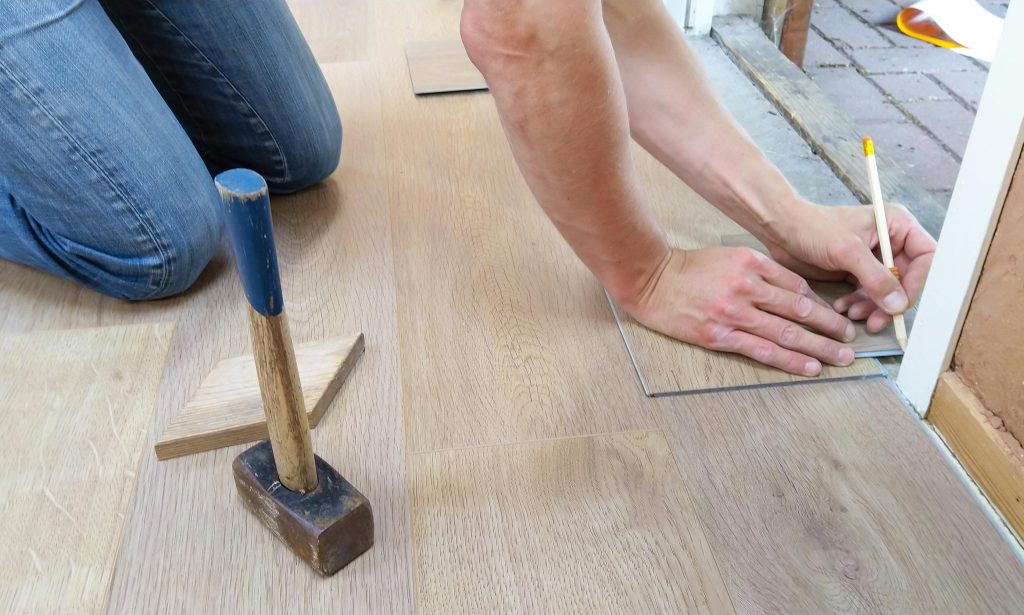
Replacing flooring completely can be expensive, but there are affordable alternatives.
Budget Flooring Options
- Peel-and-stick tiles
- Painted floors
- Area rugs
- Vinyl plank flooring
These options help refresh rooms without major renovations.
Create a DIY Workspace
Having a dedicated area for tools and supplies helps projects run more smoothly.
A DIY workspace may include:
- Shelving
- Tool organizers
- Storage bins
- Work tables
Even a small garage corner or closet can become a useful project area.
Organization helps reduce frustration during DIY work.
Prevent Expensive Repairs Early
Some DIY tasks help prevent larger home problems later.
Homeowners should regularly check for:
- Water leaks
- Cracked caulk
- Mold
- Loose railings
- Damaged gutters
Paying attention to signs your roof needs repairs is also important because roof problems can quickly lead to expensive water damage inside the home.
Common warning signs include:
- Missing shingles
- Ceiling stains
- Water leaks
- Sagging areas
- Mold growth
Early maintenance often costs much less than major repairs.
Add Affordable Decor Updates
Decor changes can refresh a home without construction projects.
Budget Decor Ideas
- Throw pillows
- Curtains
- Wall art
- Plants
- Mirrors
- Candles
Simple decorative updates can improve comfort and style immediately.
Avoid Buying Too Many Tools Immediately
Beginners do not need professional-level tool collections right away.
Start with:
- Basic hand tools
- One or two power tools
- Safety equipment
As skills improve, you can slowly add more specialized tools when needed.
Borrowing or renting tools for larger projects may also save money.
Prioritize Safety
DIY projects should always be approached carefully.
Basic DIY Safety Tips
- Wear safety glasses
- Use gloves when needed
- Read instructions carefully
- Turn off electricity before electrical work
- Use ladders properly
Rushing projects often leads to mistakes or injuries.
Taking your time improves both safety and results.
Upgrade Kitchen Spaces Affordably
Kitchens are one of the most popular areas for DIY improvements.
Easy Kitchen DIY Projects
- Paint cabinets
- Replace hardware
- Add peel-and-stick backsplashes
- Organize pantry shelves
- Install open shelving
Small kitchen updates can make the room feel more modern and functional without full remodeling costs.
Improve Outdoor Spaces
Outdoor spaces can become more enjoyable with simple DIY upgrades.
Beginner Outdoor Projects
- Build planter boxes
- Add string lights
- Create gravel seating areas
- Paint patio furniture
- Install garden edging
Outdoor improvements often require basic tools and affordable materials.
Be Patient With the Learning Process
DIY skills take time to develop.
Mistakes are part of learning.
Beginners should expect:
- Trial and error
- Slower progress initially
- Occasional setbacks
Each completed project builds knowledge and confidence for future improvements.
Use Budget-Friendly Materials Creatively
Affordable materials can still create beautiful results.
Examples include:
- Plywood
- Peel-and-stick products
- Paint
- Reclaimed wood
- Thrifted decor
Creativity often matters more than expensive materials.
Keep Maintenance Simple
Some home upgrades are easier to maintain than others.
Choose materials and designs that fit your lifestyle and cleaning habits.
Low-maintenance improvements save both time and money long-term.
Focus on Functionality
A home should not only look better but also work better.
Prioritize improvements that increase:
- Comfort
- Storage
- Organization
- Lighting
- Efficiency
Functional upgrades often provide the greatest long-term value.
Final Thoughts
DIY home improvement projects can help beginners improve their homes without spending huge amounts of money. Small upgrades like painting, improving storage, updating lighting, and refinishing furniture can make homes feel cleaner, more comfortable, and more modern.
The key is starting with manageable projects, learning basic skills gradually, and focusing on affordable improvements that fit both your budget and lifestyle.
DIY work is not about perfection. It is about creating a home that feels more functional, welcoming, and personal over time. With patience, planning, and practice, even beginners can successfully complete budget-friendly home improvement projects that make a lasting difference.

