
Small maintenance problems around the house are easy to overlook, especially when everything still appears to be working normally. A faucet that drips occasionally, a door that makes a strange sound, or a small crack in an exterior surface may not seem urgent. However, minor changes can sometimes signal developing problems that become more disruptive when left unaddressed.
A practical maintenance schedule can include monthly checks, seasonal inspections, and periodic professional service. By paying attention to small warning signs and addressing them promptly, homeowners can keep their properties functioning properly and reduce the likelihood of avoidable repair problems.
Check Your Water System Before Problems Escalate

A home’s water system deserves regular attention because changes in water pressure, flow, or availability can indicate that something is not operating as it should. Homeowners who rely on a private water source should periodically inspect accessible equipment and the surrounding area. Look for standing water, dampness, unusual sounds, or changes in how quickly water reaches fixtures.
Pay attention to changes that develop gradually. A system that continues providing water may still have a component that is wearing down. Keeping notes about changes in performance can make it easier to explain the problem if professional service becomes necessary.
During routine inspections:
- Check accessible connections for moisture or leaks
- Listen for unusual sounds when water is being used
- Pay attention to changes in pressure or flow
- Keep equipment areas clear and accessible
- Note recurring changes in water availability
If a private water system begins behaving differently, homeowners should investigate rather than simply waiting for it to stop working. Well pump repair may be necessary when equipment develops performance problems, and addressing those issues earlier can help prevent an inconvenient loss of water service.
Inspect Your Heating System Before Cold Weather
Heating equipment can receive heavy use during colder months, making early inspection particularly useful. Homeowners should become familiar with how their system normally sounds and operates so they can recognize unusual changes. Inconsistent temperatures, repeated cycling, unusual odors, or new noises can all justify closer attention.
Do not wait until the first very cold day to discover that a heating system is struggling. Scheduling routine maintenance before peak use provides an opportunity to identify worn components or other concerns when the system is not under immediate demand.
Before the heating season, homeowners can:
- Test the system before temperatures become severe
- Check for unusual sounds or odors
- Keep equipment areas free of unnecessary storage
- Inspect accessible vents and surrounding areas
- Review the manufacturer’s maintenance recommendations
- Keep records of previous service
Homes with hydronic heating systems should receive particular attention because their components can develop problems that affect heating performance. Boiler repair may be needed when a boiler shows persistent operating problems, leaks, unusual noises, or other changes. Prompt evaluation can help determine whether the issue is minor maintenance or something requiring more extensive attention.
Address Small Plumbing Problems Before They Spread
Water damage does not always begin with a dramatic burst pipe. Small leaks around fixtures, connections, appliances, and exposed plumbing can continue unnoticed for considerable periods. Checking these areas periodically can help homeowners find moisture before it damages cabinets, flooring, walls, or other nearby materials.
Look beneath sinks and around toilets, washing machines, water heaters, and other plumbing fixtures. Pay attention to dampness, discoloration, musty odors, or changes in water pressure. Even when a leak appears minor, determining its source is important because surface water may not reveal where the problem actually begins.
Add these checks to a regular maintenance routine:
- Look beneath sinks for moisture or staining
- Inspect exposed connections and supply lines
- Check around toilets for signs of leakage
- Look behind and around appliances that use water
- Monitor unexplained changes in water pressure
- Know where the main water shutoff is located
Prompt plumbing repairs can address developing problems before they cause more extensive damage. Homeowners should also avoid repeatedly treating the visible symptom without determining its source. A recurring leak, for example, may indicate a deteriorating component that requires a more lasting solution.
Keep Your Garage Door Operating Smoothly

Garage doors contain numerous moving parts that experience repeated use. Over time, rollers, tracks, springs, cables, and other components can become worn or develop alignment problems. A door that becomes noisy, jerky, slow, or difficult to operate should not simply be ignored.
Homeowners can perform basic visual checks without attempting repairs to components that require specialized knowledge. Watch the door as it opens and closes, and note whether it moves evenly. Listen for scraping, grinding, popping, or other unusual sounds. Keep the area around the tracks clear so objects cannot interfere with operation.
A basic inspection can include:
- Watching for uneven movement
- Checking accessible tracks for debris
- Looking for visible damage
- Keeping the doorway and surrounding area clear
- Testing safety features according to manufacturer instructions
- Noting changes in noise or operating speed
A garage door tune-up can help identify developing mechanical concerns and keep the system operating smoothly. Homeowners should avoid attempting to adjust high-tension springs or other components unless they have the appropriate training and equipment. When a problem involves these parts, professional service is a safer approach.
Address Uneven Concrete Before It Creates Bigger Problems
Concrete surfaces can change over time because of soil movement, water exposure, weather, and other conditions. Small changes in elevation may initially be easy to overlook, particularly when the affected area is located along a less frequently used walkway. However, uneven surfaces can eventually affect drainage, accessibility, and the way people move around the property.
Inspect driveways, sidewalks, patios, steps, and other concrete areas periodically. Look for sections that have sunk, shifted, cracked, or developed noticeable differences in height. Also observe what happens to water after rain. A change in surface elevation can sometimes cause water to collect where it previously drained away.
During an exterior inspection:
- Look for newly uneven sections
- Check for cracks that have changed over time
- Observe drainage after rainfall
- Inspect frequently used walkways
- Mark areas that appear to be changing
- Watch previously repaired sections for movement
Concrete leveling repairs may be appropriate when a slab has settled and needs to be brought back to a more functional position. Addressing the underlying conditions and monitoring nearby surfaces can also help homeowners understand whether the problem is isolated or part of a larger drainage or soil issue.
Protect Exterior Walls and Structures From Deterioration
Exterior masonry can withstand years of exposure, but small defects should still be monitored. Cracked mortar, loose materials, deteriorating joints, and areas where moisture enters can become more noticeable after repeated exposure to rain, freezing temperatures, and temperature changes.
Walk around the exterior periodically and inspect walls, chimneys, retaining structures, and other masonry features. Pay particular attention to areas surrounding windows, doors, roof connections, and other openings. Vegetation growing directly against masonry can also make inspection more difficult and may contribute to persistent moisture in some locations.
A simple exterior check can include:
- Looking for cracks in mortar joints
- Checking for loose or deteriorating materials
- Inspecting areas around openings
- Looking for signs of water intrusion
- Keeping vegetation from obstructing vulnerable surfaces
- Photographing changes for future comparison
Masonry repairs can address localized deterioration before affected areas become more extensive. Homeowners should also look for the source of recurring moisture rather than repairing damaged material without considering why the damage developed. Proper drainage, roof maintenance, and other exterior improvements may be relevant when water repeatedly reaches the same area.
Inspect Your Fireplace Before Using It Regularly

A fireplace should be inspected before it becomes a regular source of household heat or comfort. Gas-burning equipment in particular should be monitored for changes in normal operation. Homeowners should know what normal operation looks and sounds like so they can recognize unusual behavior.
Before using the fireplace regularly, inspect the surrounding area for visible damage and make sure combustible materials are kept at an appropriate distance. Follow the manufacturer’s instructions for cleaning and routine maintenance. If something about the appliance appears different from previous seasons, avoid assuming that the change is harmless.
Before the heating season:
- Look for visible damage around the unit
- Keep furniture and combustible materials appropriately separated
- Check for unusual odors or sounds
- Follow the manufacturer’s maintenance instructions
- Keep service information accessible
- Address unusual operating behavior promptly
Gas fireplace repair may be necessary when a unit develops problems with ignition, operation, or other components. Because gas appliances involve combustion and fuel connections, homeowners should not attempt repairs beyond routine maintenance they are specifically qualified to perform.
Prevent Minor Drain Problems From Becoming Major Blockages
Slow drains are often treated as an inconvenience rather than an early warning sign. However, a sink, shower, or tub that repeatedly drains more slowly than normal may have a developing obstruction.
Start by paying attention to how household fixtures normally drain. Remove visible debris from accessible drain openings and use strainers where appropriate. Avoid putting grease, excessive food debris, inappropriate materials, or other substances into drains that can contribute to blockages.
Homeowners can reduce recurring problems by:
- Removing visible debris from drain openings
- Cleaning strainers regularly
- Watching for increasingly slow drainage
- Avoiding inappropriate materials in drains
- Paying attention to unusual odors
- Noting gurgling or backup from multiple fixtures
If a drain repeatedly slows down despite basic maintenance, clogged drain repair may be necessary. A recurring problem can indicate an obstruction farther into the plumbing system rather than something located directly at the fixture. Investigating the cause can help prevent repeated short-term treatments that fail to address the underlying issue.
Keep Heating Equipment Ready for Regular Use
Heating systems should be monitored throughout the season rather than only at the beginning and end of winter. A system that starts normally can still develop problems after weeks or months of regular operation. Homeowners should pay attention to changes in temperature, airflow, operating cycles, and unusual sounds.
Filters should be replaced or cleaned according to the manufacturer’s recommendations. Furniture, storage containers, curtains, and other objects should not obstruct vents or registers. Keeping the equipment area accessible also makes it easier to notice changes and allows service professionals to reach the system when maintenance is needed.
Include these tasks in your routine:
- Check filters at recommended intervals
- Keep vents and registers unobstructed
- Monitor temperatures throughout the home
- Listen for unusual operating sounds
- Check that the thermostat responds properly
- Keep equipment areas accessible
Furnace repair services may be appropriate when a system repeatedly struggles to maintain temperature, makes unusual noises, cycles unexpectedly, or develops another persistent problem. Homeowners should not ignore recurring symptoms simply because the furnace continues to produce heat.
Keep Roof Drainage Working Throughout the Year
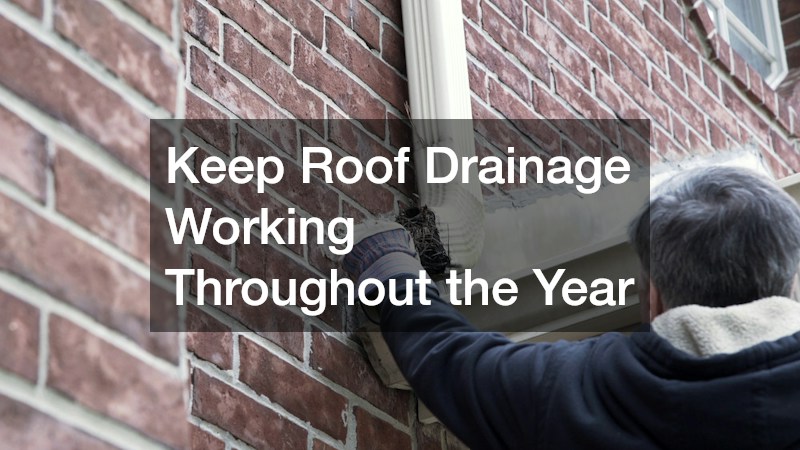
Gutters are easy to overlook until water begins spilling over their edges during a storm. Leaves, twigs, dirt, and other debris can restrict water movement and prevent the system from directing runoff away from vulnerable areas.
Gutters should be checked after periods of heavy leaf fall and significant storms. Look for sagging sections, separated joints, loose fasteners, holes, and other visible damage. Downspouts should also be inspected to make sure water can move through them and discharge away from the foundation.
As part of routine exterior maintenance:
- Remove accumulated debris
- Check for sagging or separated sections
- Inspect visible joints and fasteners
- Check downspouts for obstructions
- Confirm that runoff moves away from the foundation
- Look for signs of overflow after rainfall
Gutter repair can address damaged sections before they affect the home’s exterior or drainage around the foundation. Homeowners should also consider nearby trees and roof debris when establishing a cleaning schedule. A gutter system that is regularly inspected and maintained is better positioned to move rainwater away from areas where prolonged moisture could create additional problems.
Home maintenance does not have to involve complicated projects every weekend. Many useful preventive tasks involve observing how systems operate, looking for changes, keeping components clean, and addressing minor concerns before they become disruptive. The key is consistency. A homeowner who checks important areas regularly is more likely to notice gradual changes than someone who only investigates after something stops working.
Preventive maintenance cannot eliminate every household problem, but it can make developing issues easier to recognize and address. By treating small changes as useful warning signs rather than waiting for complete failures, homeowners can take a more proactive approach to protecting their property.