Key takeaways
- Learn what your roof needs before calling contractors, so you can understand estimates and avoid paying for work you don’t need.
- Set a realistic budget based on local prices, and add a 10 to 15 percent cushion for hidden damage.
- Choose local roofers with an established address and good reviews, and be cautious of door-to-door contractors after storms.
- Confirm the contractor’s license, liability insurance, and workers’ compensation coverage, and look for manufacturer certifications.
- Get at least three detailed written estimates and compare them line by line, not just by the total price.
- Understand both the manufacturer and workmanship warranties, and pay a reasonable deposit instead of the full amount upfront.
- Watch for red flags like pressure tactics or offers to waive your deductible, and get a detailed written contract and lien waivers.
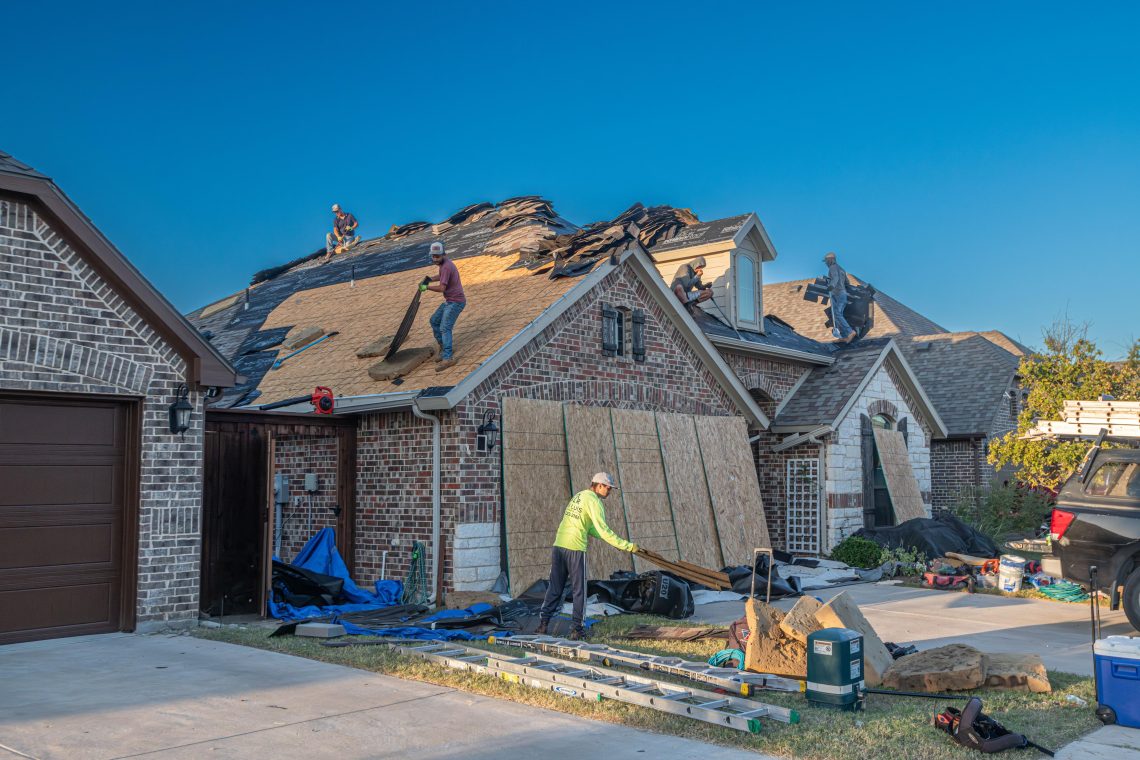
Your roof protects everything under it, from your family to your furniture to the structure of the house itself. When it needs repair or replacement, choosing the right roofing contractor is one of the most important decisions you’ll make as a homeowner. A good roofer will do quality work at a fair price. A bad one can leave you with leaks, damage, and a much bigger bill down the road.
Roofing projects can be expensive, so it’s natural to want the best deal. But the lowest bid isn’t always the best value. Cheap work that fails early can cost far more than doing it right the first time. The goal is to find a trustworthy contractor who delivers solid, long-lasting work that fits your budget.
In this guide, you’ll learn how to figure out what your roof really needs, set a realistic budget, find and vet contractors, compare estimates, and avoid common scams. With these steps, you can protect your home and your wallet at the same time.
1. Know What Your Roof Needs First
Before you call contractors, get a basic idea of what’s going on with your roof. This helps you understand estimates and spot anyone trying to sell you work you don’t need. A small repair might cost a few hundred dollars, while a full replacement can cost many thousands, so the difference matters.
Common signs your roof needs repair include missing, cracked, or curling shingles, granules from shingles collecting in your gutters, dark stains or streaks on the roof, and damaged flashing around chimneys and vents. Inside the house, look for water stains on ceilings, peeling paint near the roofline, or damp spots in the attic. If you see daylight through the attic boards or notice sagging areas, call a pro right away.
Age matters, too. Most asphalt shingle roofs last about 20 to 30 years, depending on the climate and material quality. If your roof is near the end of that range and has widespread problems, a replacement may be the better long-term value. If it’s younger with damage in only one area, a repair is often enough. Stay off the roof yourself. Use binoculars from the ground or look at photos a contractor takes.
- Learn the basics so you can understand estimates and avoid upselling.
- Look for damage on the roof, in gutters, and inside your attic.
- Consider your roof’s age when choosing between repair and replacement.
2. Set a Realistic Budget

Knowing roughly what roofing work costs helps you set a realistic budget and spot estimates that are too high or suspiciously low. Roofers usually price jobs by the “square,” which equals 100 square feet of roof. A typical home roof might be 15 to 30 squares.
Costs vary a lot by region, material, and the complexity of your roof. As a rough guide, small repairs often cost a few hundred to around $1,500. A full asphalt shingle replacement on an average-sized home commonly runs from about $8,000 to $15,000 or more. Metal, tile, and slate roofs usually cost significantly more. Always get local quotes, since labor and material prices differ from place to place.
Several factors affect your price. These include the size and steepness of your roof, how many layers of old shingles need to be removed, the number of chimneys, skylights, and vents, the material you choose, and whether the wood decking underneath needs to be replaced. Set aside an extra 10 to 15 percent of your budget for surprises, like rotted decking that’s only found once the old shingles come off.
- Roofers price by the square, which is 100 square feet.
- Costs vary widely by region, material, and roof complexity.
- Add a 10 to 15 percent cushion for hidden damage.
3. Find Reputable Local Contractors
The best place to start your search is close to home. Ask neighbors, friends, and family members who’ve had roofing work done recently whether they were happy with the results. Local roofers depend on their reputation, so they have a strong reason to do good work and stand behind it.
Look for contractors with a physical business address in your area and several years of experience. Check online reviews on Google, the Better Business Bureau, and other review sites. Read both positive and negative reviews, and pay attention to how the company responds to complaints. A business that handles problems professionally is often a safer choice.
Be especially careful after major storms. “Storm chasers” are out-of-town contractors who travel to areas hit by hail or high winds, knock on doors, and offer quick repairs. Some do decent work, but many leave town after the job, making it hard to get help if problems come up later. If someone shows up uninvited after a storm, take their information but do your own research before agreeing to anything.
- Ask people you know for recommendations.
- Choose local roofers with an established address and good reviews.
- Be cautious of door-to-door contractors after storms.
4. Check Licenses, Insurance, and Credentials
Before you sign anything, make sure the roofer is properly licensed and insured. Licensing rules vary by state and even by city. Some states require a specific roofing license, while others only require a general contractor or business license. Check your state’s licensing board website to confirm the contractor’s license is active and in good standing.
Insurance is just as important. Ask for proof of two types: general liability insurance, which covers damage to your property, and workers’ compensation insurance, which covers workers who get hurt on the job. Roofing is dangerous work. If an uninsured worker falls from your roof, you could be held responsible for their medical bills. Call the insurance company listed on the certificate to make sure the policy is current.
Certifications can also be a good sign. Many shingle manufacturers, such as GAF, Owens Corning, and CertainTeed, train and certify contractors to install their products. Certified installers can often offer stronger warranties. Membership in groups like the National Roofing Contractors Association shows a commitment to industry standards.
- Confirm the roofer’s license with your state or local board.
- Get proof of liability and workers’ compensation insurance.
- Look for manufacturer certifications and industry memberships.
5. Get and Compare Multiple Estimates
Always get at least three written estimates before choosing a roofer. This helps you understand the fair price range in your area and spot bids that are too high or too low. A good contractor will inspect your roof in person, take measurements, and often share photos of problem areas before giving you a quote.
Make sure each estimate is detailed. It should list the type and brand of materials, the amount needed, whether old shingles will be removed or covered, how damaged decking will be handled and priced, labor costs, permits, cleanup and debris removal, and the expected timeline. Vague estimates with only a single total price make it hard to compare and easier for surprise charges to show up later.
Compare estimates line by line, not just by the final number. One bid may be cheaper because it skips important items like new underlayment, drip edge, or proper ventilation. Ask each contractor to explain any differences. The best value usually comes from a roofer who offers quality materials, clear communication, and a fair price, not necessarily the lowest number.
- Get at least three detailed, written estimates.
- Make sure estimates list materials, labor, permits, and cleanup.
- Compare line by line and ask about any big differences.
6. Choose Materials That Fit Your Budget
The material you choose has a big effect on both your upfront cost and how long your roof will last. Your contractor should explain your options and help you balance price, appearance, and durability.
Asphalt shingles are the most common and budget-friendly choice in the U.S. Basic three-tab shingles cost the least, while architectural shingles, also called dimensional shingles, cost a bit more but look better, handle wind better, and often last longer. For many homeowners, architectural shingles offer the best value. Metal roofing costs more upfront but can last 40 to 70 years, resists fire and wind, and may lower cooling costs by reflecting sunlight. Tile and slate are beautiful and very long-lasting but are among the most expensive options and require a strong roof structure.
Think about how long you plan to stay in your home. If you might move in five years, a quality asphalt roof may make the most sense. If you plan to stay for decades, a longer-lasting material could save money over time. Also ask about impact-resistant shingles, which may earn you a discount on homeowners insurance in hail-prone areas.
- Asphalt shingles are the most affordable, and architectural styles offer strong value.
- Metal, tile, and slate cost more but can last much longer.
- Choose based on your budget, climate, and how long you’ll stay.
7. Understand Warranties
A good warranty protects your investment, but roofing warranties can be confusing. There are usually two kinds, and you’ll want to understand both before choosing a contractor.
The manufacturer’s warranty covers defects in the roofing materials themselves, like shingles that crack or lose granules too early. Many shingles come with warranties of 25 years to “lifetime,” but the fine print matters. Some only cover materials, not labor, and coverage may drop after the first several years. Certified contractors can often offer enhanced manufacturer warranties that cover both materials and labor for longer periods.
The workmanship warranty comes from the contractor and covers mistakes in installation, like leaks caused by improper flashing or nailing. Because most roof problems come from installation errors rather than bad materials, this warranty is very important. Workmanship warranties range from one year to ten years or more. Get all warranty details in writing, ask what could void them, and register any manufacturer warranty after the job is finished.
- Manufacturer warranties cover materials, while workmanship warranties cover installation.
- Read the fine print to see what’s covered and for how long.
- Get warranties in writing and register them after installation.
8. Payment, Financing, and Insurance Claims

How you pay for your roof matters just as much as the total price. A fair payment plan protects both you and the contractor. Many reputable roofers ask for a deposit to cover materials, often around 10 to 30 percent, with the rest due when the job is finished and you’re satisfied. Avoid paying the full amount upfront, and use a check or credit card rather than cash so you have a record.
If the cost is more than you can pay at once, ask about financing. Some roofing companies offer payment plans through lenders. Compare the interest rate and terms with other options, like a home equity line of credit or a personal loan from your bank or credit union. Read the fine print carefully, especially for “0 percent” deals that may charge high interest if not paid off in time.
If your roof was damaged by a storm, fallen tree, or other sudden event, your homeowners insurance may cover part of the cost. Contact your insurer first and document the damage with photos. A good contractor can meet with the adjuster and explain the damage, but you should handle the claim yourself. Be wary of any roofer who offers to “cover” or waive your deductible, since that can be insurance fraud in many states.
- Pay a reasonable deposit, not the full amount upfront.
- Compare roofer financing with loans from your bank or credit union.
- Handle storm claims with your insurer, and never let a roofer waive your deductible.
9. Red Flags and What Belongs in the Contract
Knowing the warning signs can save you from a bad experience. Be cautious of any roofer who pressures you to sign right away, offers a price that’s far lower than everyone else, refuses to give a written estimate, can’t show proof of a license or insurance, or asks for full payment in cash before starting. Other red flags include no local address, no references, and vague answers about materials or timelines.
Once you’ve chosen a contractor, get everything in writing before work begins. A solid contract should include the company’s name, address, and license number, a detailed scope of work, the brand and type of materials, the total price and payment schedule, the start and estimated completion dates, who is responsible for permits, cleanup and debris removal plans, how unexpected issues like rotted decking will be priced, and warranty details.
Read the contract carefully and ask questions about anything you don’t understand. Make sure any promises made in person are included in writing. After the job, walk around the property with the contractor to check the work and cleanup, and get a final invoice marked paid along with lien waivers showing suppliers and crews have been paid.
- Watch for pressure tactics, very low bids, and missing paperwork.
- Get a detailed written contract covering scope, price, timeline, and warranties.
- Do a final walk-through and collect lien waivers when the job is done.
Conclusion
Choosing a roofing contractor that fits your budget is about finding the best value, not just the lowest price. Start by understanding what your roof needs and setting a realistic budget with room for surprises. Then look for local, experienced roofers with the right licenses, insurance, and strong reviews.
Take your time comparing detailed estimates, materials, and warranties. Choose a payment plan that protects you, use insurance and financing wisely, and watch for red flags like pressure tactics or missing paperwork. A clear, written contract ties everything together and keeps both you and your contractor on the same page.
Your roof is one of your home’s most important features, so it’s worth doing your homework. With the right contractor, you’ll get a roof that keeps your family safe and dry for decades, and you’ll have peace of mind knowing your money was well spent.