Embarking on a home improvement or construction project is an exciting venture that allows you to enhance the functionality, beauty, and value of your residence. However, when it comes to choosing a service provider or contractor, the temptation to select the lowest bid is often strong. While it might seem financially prudent to prioritize the most affordable option, understanding why opting for the cheapest bid might not always be the best decision can ultimately save you time, money, and unnecessary stress in the long run.
It’s natural to consider cost as a primary factor in your decision-making process; budgeting is a crucial element of any project. However, focusing solely on the lowest bid often leads to compromises in quality, which may not surface until the project is underway or even completed. This article seeks to provide a comprehensive exploration into the various sectors where choosing cheaper options might lead to unexpected challenges and expenses, particularly in the realms of roofing companies, sewer repairs, and other related services.
By understanding the potential pitfalls that can arise from opting for the lowest bidder, you can make more informed decisions about who to hire or which material to choose for your project. We will explore common issues that arise when price is prioritized over quality and experience, such as substandard workmanship, delays, and even safety concerns.
Our discussion will extend to practical tips and strategies for evaluating bids and quotes beyond their face value. This includes assessing the credentials and reputation of the contractors, considering the quality of materials proposed, warranty and after-service support, and the overall scope of work included in the bids. With this information, you’ll be better equipped to weigh the cost against the quality, allowing for a balanced choice that aligns with your project’s budget, time frame, and quality expectations.
Whether you’re planning to replace your roof, expand your living space, or repair a sewer line, understanding the importance of balancing cost and quality will empower you to make sound choices. Follow along as we delve deeper into why the promise of a lower price is not always synonymous with better value and how navigating this aspect with care can lead to successful and satisfying home improvement outcomes.
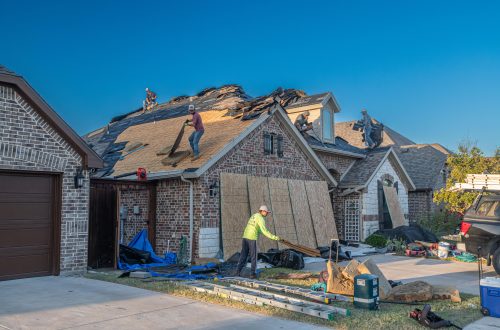
1. What Are the Risks of Choosing the Cheapest Roofing Company?

While a low bid from a roofing company might seem like a smart way to save money, it often results in a decrease in quality and durability. Cheap materials are usually employed to cut corners, potentially leading to leaks and a shorter lifespan for your roof. Moreover, you could face more frequent repairs in the long term, making the initial savings insignificant.
Another crucial aspect is warranty and customer support. The cheapest roofing companies may offer limited or no warranty, leaving you vulnerable to unaccommodated damages. Quality roofing companies, although pricier, provide comprehensive warranties and support that can save money in the longer run.
Hidden costs and unexpected expenses are common when opting for the cheapest bid. What initially appears as a cost-saving deal could quickly snowball into expensive repairs and added labor that were not transparently communicated. Most people find that a slightly higher upfront cost translates into stability and fewer unexpected outlays.
2. How Can Low Bids Affect Sewer Repairs?
A low bid might mean the use of inferior building supplies for sewer repairs, which can compromise the entire system’s effectiveness. Substandard materials are prone to cracks and leaks, posing long-term sanitation risks. Investing in high-quality materials can prevent these issues, offering peace of mind over the years.
The expertise and experience of workers also come into question with cheaper bids. Companies offering lower prices often employ less experienced workers, risking poor installation and maintenance practices. Opting for professionals with a proven track record may be slightly more expensive, but often results in fewer complications down the line.
The health of your sewer system is vital for household functionality. A short-sighted budget approach can lead to frequent disruptions and costly interventions. Unexpectedly high costs may arise as cheaper services occasionally lack the proper equipment or capabilities for thorough sewer repairs.
3. Should You Trust a Local Roofing Contractor Who Bids Low?

Evaluating a local roofing contractor‘s reputation is crucial when considering a low bid. Online reviews and local references can provide insights into past performance and service quality. An appealingly low price often reflects shortcuts taken at the expense of workmanship and materials.
Importance of proper licensing and insurance cannot be overstated. Without these, you risk liability for on-site injuries and poor craftsmanship. A licensed and insured contractor will generally provide better outcomes, even if the cost is higher upfront.
Local reviews and references play a significant role in establishing trust. A contractor with a history of satisfied customers offers more reliability than one with a spate of unresolved complaints. Testimonials from neighbors and online reviews ensure you choose a contractor who delivers on promises.
4. Are Building Supplies from Cheaper Sources Reliable?
Potential compromises in material quality are a significant concern when opting for cheaper building supplies. Low-cost materials might fail to adhere to industry standards, affecting the longevity and safety of your project. Higher initial investment in quality materials from a building supply company could prove more economical in the long run.
Consistency and availability issues frequently plague cheaper suppliers. Projects may face delays because of stock shortages or inconsistencies in product quality. Reliable suppliers ensure timely delivery and uphold quality, facilitating a smoother construction process.
The impact on environmental sustainability is another critical factor. Cheaper materials may not comply with eco-friendly standards, negatively affecting your project’s environmental footprint. Opting for sustainable supplies, although potentially more costly, aligns better with future-oriented construction practices.
5. What’s the Downside of Hiring a Bargain Hardscaping Contractor?
Opting for a low-cost hardscaping contractor can result in design and aesthetic concerns. Budget contractors may lack the creativity and skill to execute complex designs, leaving you with uninspired exteriors. Investing in a seasoned contractor can enhance your landscape’s beauty and appeal.
Longevity and maintenance requirements are significant considerations. Inexpensive services may not install or treat your hardscapes properly, leading to increased wear and tear. Paying a premium can ensure durability and minimal maintenance needs, offering greater value over time.
Customer service and support often suffer when costs are cut to attract business. Cheaper contractors might lack formal service agreements or falls short in post-project support, leading to frustration. A well-established contractor typically provides comprehensive customer service and better assurance of satisfaction.
6. Does Cheap Equipment Rental Services Offer Good Deals?
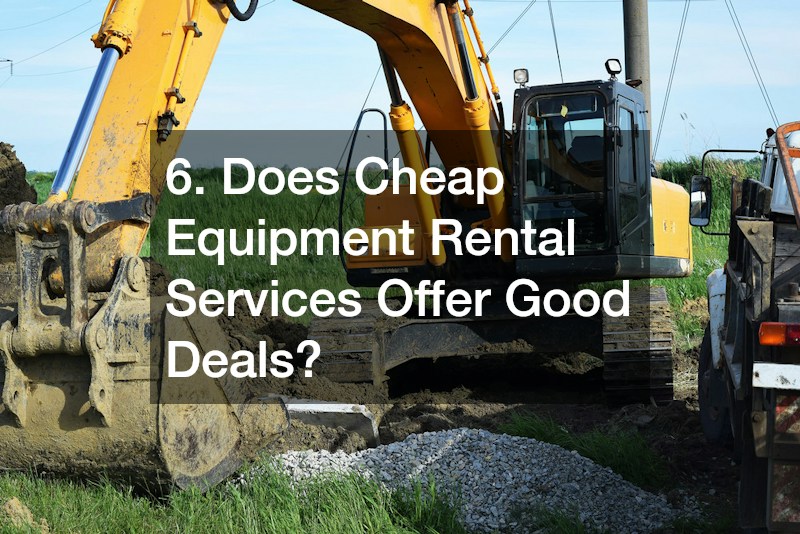
The age and maintenance status of equipment offered by affordable rental services often raise concerns. Older, poorly maintained equipment may lead to job delays or accidents if they fail. Opting for reputable equipment rental services ensures safe, efficient machinery and uninterrupted workflow.
Availability of support and training is another aspect often lacking with cheaper services. Users might not receive adequate training to operate complex machinery, increasing the risk of mishaps. Partnering with reliable rental services includes access to training resources, empowering your team for safe equipment handling.
Hidden fees and charges can accumulate quickly with low-cost rental services. What appears economical at first glance may include additional costs for insurance, repair necessities, or extended rental periods. Transparent pricing from trusted services can eliminate concerns over unexpected charges.
7. How to Assess Low-Cost Septic System Services?
Regular maintenance checks are vital for septic system services, often neglected by budget options. Infrequent inspections may lead to costly emergency repairs, overshadowing any initial savings. Investing in regular inspections provides early issue detection, promoting system efficiency and longevity.
Assessing the company’s track record is essential when considering less expensive options. Past performance and industry reputation can highlight risks associated with a service provider’s quality. Trustworthy companies invest in experienced personnel and equipment to maintain high service standards.
Hidden costs can surprise homeowners who opt for inexpensive septic services. Cheaper providers may charge extra for elements like pump-outs or emergency calls not included in their base rate. Transparent pricing strategies promote hassle-free service experiences without unexpected financial burdens.
8. Why A Low Bid from a Local Excavation Contractor Could Be Misleading?
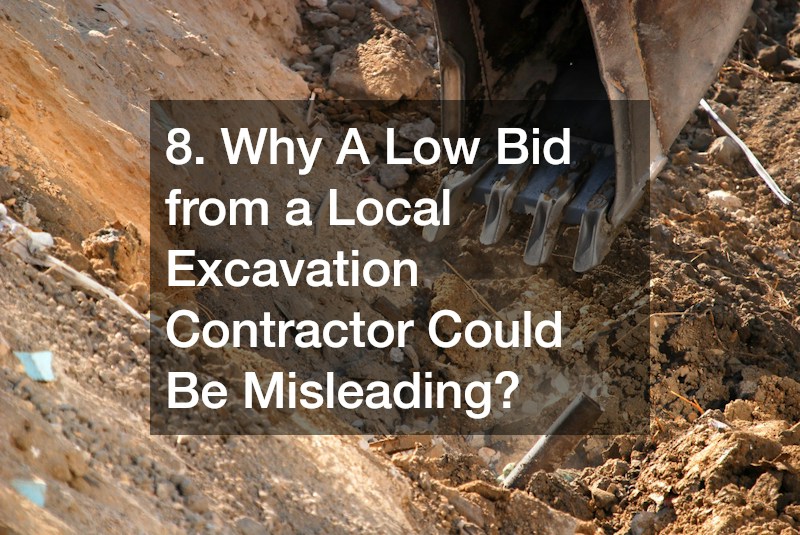
Survey and planning requirements might be inadequately addressed in a low-cost bid. Cheap services often skip initial surveys, leading to costly mistakes in excavation projects. Proper planning ensures seamless operations and avoids unexpected setbacks or budget overruns.
Equipment and safety standards are frequently compromised when low bids are at play. Contractors might utilize outdated machinery or neglect safety precautions, posing risks to workers and property. Higher-priced contractors typically invest in superior equipment and prioritize personnel safety.
The complexity of land and soil types necessitates expertise not always found in budget offerings. Inexperienced contractors might not accurately assess site conditions, leading to project delays or failures. Investing in experienced local excavation contractors can ensure meticulous evaluations and adaptations to specific site needs.
9. Are Gravel Driveways an Economical Choice?
Short-term vs. long-term costs often determine the value of gravel driveways. They might appear cost-effective initially but require frequent grading and refilling, increasing lifetime expenses. Alternative materials could offer better longevity with less maintenance intensity.
Maintenance and care requirements demand regular attention for gravel driveways. Frequent raking and filling are necessary to maintain a level surface, entailing an ongoing investment of time and materials. Expenditure on more stable surfaces might prove worthwhile by reducing ongoing maintenance burdens.
Compatibility with local climate influences driveway durability. Gravel might erode during heavy rainfall or become hot and unstable in high temperatures. Evaluating climate suitability can help in determining whether a gravel driveway is truly an economical choice.
10. What to Consider When Local Fencing Services Quote a Low Price?
The quality of fencing materials often reflects the price quoted by local fencing services. Cheaper options may imply thin, substandard materials which weaken over time. Premium materials require a higher initial investment but guarantee enhanced security and longevity.
Warranty and service guarantees are usually limited with low-cost fencing options. Inadequate warranty coverage might leave clients to deal with damages without support. Trusted fencing services provide comprehensive warranties, ensuring maintenance or replacement when necessary.
A contractor’s experience and expertise significantly affect the final outcome. Cheaper services might not possess the specialized skills or knowledge necessary for complex fencing installs. Premium services emphasize ground-level expertise, ensuring optimized solutions aligned with your needs.
When engaging in the process of selecting a service or contractor, it may initially seem advantageous to opt for the cheapest bid available. The allure of reduced expenses and immediate financial savings is undeniably appealing. However, it is crucial to engage in a more holistic assessment that extends beyond the face value of price alone.
Firstly, consider the importance of quality. Opting for the lowest bid might come with hidden compromises in quality, which can manifest in inferior materials, substandard workmanship, or inadequate customer support. These factors can lead to unsatisfactory results or, worse, the need for costly repairs and replacements in the future. Poor quality work might save money upfront but can significantly increase costs over time.
Equally important is the aspect of reliability. A contractor who offers the cheapest bid may not have the necessary resources or a proven track record of completing projects on schedule and within specifications. The reliability of a service provider extends to their capacity to follow through on commitments, communicate effectively, and demonstrate consistent performance. If reliability is compromised, unexpected delays and frustrations can occur, disrupting your plans and potentially leading to additional expenses.
Finally, consider the long-term impact of your decision. The choice made today can affect the longevity and overall success of your project. A thorough evaluation of bids should encompass a comprehensive examination of not just immediate costs but also the enduring value offered by each potential choice. Considerations include the durability of work, the reputation of the service provider, and warranties or guarantees that safeguard your investment.
By embracing a thoughtful and informed evaluation process when selecting a bid, you position yourself to make a decision that is beneficial both in the present and for the future. This approach ensures that the services or products you choose deliver lasting value, providing peace of mind and financial prudence. Thus, you invest wisely, balancing initial expenses with enduring benefits, setting a foundation for success.